
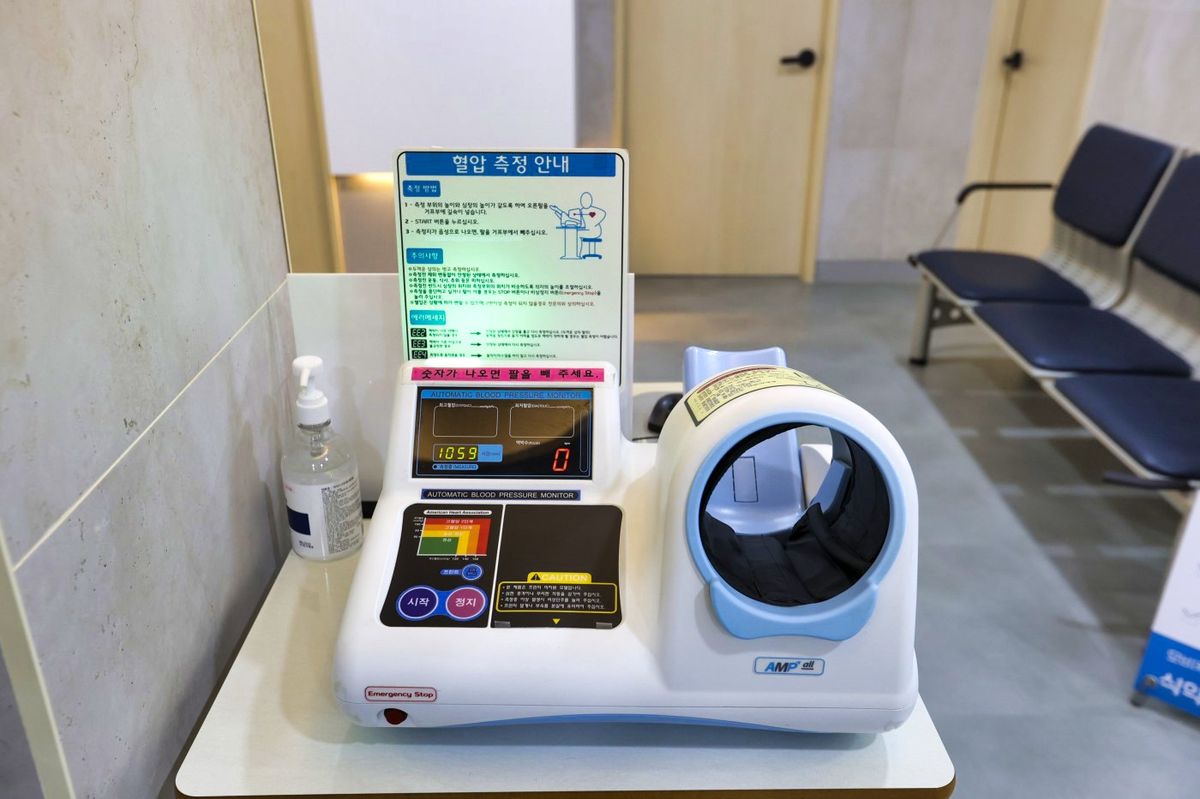
“I take my blood pressure medicine regularly, and today's reading looks fine. Do I still need kidney tests?”
Taking prescribed medicine consistently is important. However, a good blood pressure reading and healthy kidneys are not the same thing. Blood pressure needs to be considered over time, while kidney health is assessed with blood and urine tests when appropriate.
This article explains why kidney monitoring remains part of hypertension care and which records help at appointments. Having tests does not mean your medicine is harmful. Testing helps your clinician assess whether your current treatment remains appropriate and safe.
01Blood pressure and the kidneys affect each other
The kidneys filter waste from the blood and regulate fluid and salt balance. They also help regulate blood pressure. Persistently high blood pressure can damage small blood vessels in the kidneys. In turn, reduced kidney function can allow fluid and salt to build up, raising blood pressure further.
This is why hypertension care includes more than the number on a monitor. Early kidney disease and high blood pressure may cause no obvious discomfort. Feeling well is not a reason to skip recommended testing. Kidney problems do not necessarily cause back or flank pain.
Even with stable readings on treatment, the duration of previous high blood pressure, diabetes, and past test results influence follow-up. A pattern of readings and test results is more informative than a single normal reading.
02Blood and urine tests provide different information
Blood creatinine and the estimated glomerular filtration rate, or eGFR, help assess how well the kidneys filter blood. A urine albumin test looks for protein leaking through the filtering system. These tests measure different aspects of kidney health and may be used together.
There is no single testing schedule for everyone. Your clinician considers kidney function, urine albumin, blood pressure, diabetes, and whether medicines have been started or changed. Even if the last results were reassuring, ask when the next check is due.
Bring previous reports showing the test date, names, and units. Comparing actual results is more useful than recalling that they were “normal.” One change alone does not establish worsening disease or a medicine problem; earlier results and the circumstances also matter.
03Taking blood pressure medicine does not automatically harm the kidneys
Controlling blood pressure is an important way to protect the kidneys. Some medicines, such as ACE inhibitors and ARBs, are used in appropriate patients to lower blood pressure and urine albumin and slow kidney disease progression. The choice depends on other conditions and test results.
After starting or changing these medicines, your clinician may check creatinine, eGFR, and potassium. A small eGFR change does not automatically mean the medicine damaged the kidneys. The size and timing of the change, dehydration, and other medicines need to be considered together.
Do not skip a dose or take an extra dose because of one low or high home reading. If vomiting, diarrhea, or fever makes eating and drinking difficult, contact the prescribing clinician promptly for instructions. Stopping all blood pressure medicines as a blanket rule is not appropriate.
04Take two home readings under consistent conditions
Use a validated automatic upper-arm monitor with a cuff that fits. Avoid smoking, caffeine, and exercise for 30 minutes beforehand. Empty your bladder and sit quietly for at least 5 minutes. Do not talk or move around using your phone during measurement.
Support your back, keep both feet flat on the floor, and do not cross your legs. Rest your bare arm on a support so the cuff is at heart level. Measure at consistent times and take two readings 1 minute apart, recording both. Agree on a morning or evening schedule with your clinician.
Record the date, time, both readings, pulse, medicine timing, and symptoms such as dizziness. Show the full record rather than selecting only the best values. Home monitoring supports care; it does not replace appointments or kidney tests.
05Reduce salt without making blanket changes to fluids or supplements
Reducing salt in soups, salted foods, processed foods, and sauces can help blood pressure management. However, people with reduced kidney function should not automatically choose a low-sodium salt substitute. Some contain substantial potassium, so check the ingredients and discuss your results.
Avoid drinking large amounts of water to “flush” the kidneys or restricting protein indiscriminately. Fluid, potassium, and protein needs vary with kidney function, nutritional status, and dialysis. If you already have fluid or dietary instructions, follow them while discussing any change.
NSAID pain relievers such as ibuprofen and naproxen can put the kidneys at risk, especially during dehydration. Tell your doctor or pharmacist about hypertension treatment and kidney health before buying pain relievers, cold medicines, or supplements. Keep one list of prescription medicines, over-the-counter products, and supplements.

06Do not wait for your next appointment if these changes occur
Seek prompt care for a sudden major reduction in urine or rapidly worsening swelling. Difficulty drinking because of vomiting or diarrhea, or severe dizziness, also warrants assessment of hydration and medicine use. Report when symptoms began, recent blood pressure readings, and medicines taken.
Chest pain, severe breathlessness, sudden weakness on one side, or slurred speech require emergency help, such as calling 119 in Korea. Do not delay to keep rechecking blood pressure or wait for a routine clinic call or appointment. Repeated very high readings also require immediate contact with a clinician, even without symptoms.
Keep blood pressure records and kidney monitoring together
Taking medicine consistently, recording home readings, and having recommended tests complement one another. Bring your blood pressure log, test reports, and medicine list to your next visit. Shin Yun Soo Internal Medicine Clinic supports local residents by explaining test results and care plans.
Frequently asked questions
Can I skip kidney tests if my blood pressure is good?
Blood pressure alone cannot fully describe kidney health. Discuss the need and timing of blood and urine tests based on previous results and other conditions.
Should I stop medicine immediately if my kidney numbers change?
Do not stop on your own. Your clinician assesses the medicine, when it was started or changed, the size of the change, potassium, and possible dehydration before deciding the plan.
How should I record blood pressure at home?
Rest quietly for at least 5 minutes, use the correct posture, and take two readings 1 minute apart. Record both, along with the date, time, medicine timing, and symptoms.
What if I have severe vomiting or diarrhea while taking blood pressure medicine?
The response depends on dehydration, low blood pressure risk, and the medicines involved. Contact your prescribing clinician promptly for instructions. Do not delay care for reduced urine or severe dizziness.
References
- NIDDK — High Blood Pressure & Kidney Disease
- American Heart Association — Home Blood Pressure Monitoring
- National Kidney Foundation — ACE Inhibitors and ARBs
- NIDDK — Keeping Kidneys Safe: Smart Choices about Medicines
- NIDDK — Healthy Eating for Adults with Chronic Kidney Disease
※ This article provides general health information and does not replace an individual diagnosis or treatment. What your test results mean and how they should be managed depend on your condition, so please consult a doctor.