
Before your first visit to a dialysis unit, practical questions can be as worrying as the treatment itself. Which documents should you bring? What about breakfast and morning medicine? There is also information to prepare when moving from another dialysis center. The priority is an accurate picture of your health and existing treatment, rather than a large bag of belongings.
This article is for people preparing for hemodialysis because of reduced kidney function, or getting ready to visit a new unit. It does not decide whether you need dialysis or tell you how to prescribe your own treatment. Incomplete paperwork should not delay necessary care or an emergency assessment.
011. Confirm the treatment date and arrival time first
When calling, explain whether you are starting hemodialysis or continuing treatment from another center. Your last treatment date, next scheduled session and any current hospital admission help with planning. For a transfer, coordinate the schedule with both centers and do not skip a session yourself.
Your arrival time may be earlier than the treatment start. A first visit may require record review, assessment and explanations, so ask about arrival and the total time to allow. Treatment duration is not identical for everyone, and opening hours do not mean you can arrive without an agreed appointment and immediately receive dialysis.
Ask which identification, registration documents, referral or previous medical records are needed. The Sanford Health first hemodialysis guide also recommends confirming arrangements beforehand. Its overseas registration procedures and times are not confirmed instructions for Shin Yun Soo Clinic.
022. Make medicine names, doses and times clear
Bring prescriptions, medicine packaging or a current list. Include medicines for blood pressure or diabetes, pain relief, herbal products, supplements and vitamins. If a name is unfamiliar, photographs showing the package and ingredients can help. Tell the team if what you actually take differs from the prescription.
Whether to take blood pressure medicine on a dialysis day, and how to coordinate diabetes medicine or insulin with meals, requires your own instructions. Do not stop medicines as a group after reading online advice or copy another patient's schedule. Show existing instructions to the new team if you are transferring or your prescription has changed.
Mention allergies to medicines, antiseptics or adhesives, and recent starts or stops. Northwest Kidney Centers' first-visit guide describes reviewing medicines brought to the visit. A list helps identify duplication and changes; it is not a reason to take extra medicine.
033. Previous test and dialysis records connect your care
Bring available recent blood and urine results, discharge summaries or referrals. If already receiving dialysis elsewhere, recent treatment prescriptions and session records, including a documented target weight, may help. Ask the new unit which records it needs and how to send them.
Tell the team where your access is, whether it is a fistula, graft or catheter, and about recent surgery or procedures. You do not need to know every technical term: bring the instruction sheet or operation record if available. The NIDDK hemodialysis guide explains preparing access and care plans with the team.
| Useful material | Information to explain |
|---|---|
| Medicine list, prescriptions or packaging | Actual doses and times, recent changes and allergies |
| Recent tests, referrals and discharge information | Test dates and reasons for admission or treatment |
| Existing dialysis prescriptions and session records | Last treatment, next session and target weight |
| Access information and home records | Procedures, weight, blood pressure and recent difficulties |
Mark records that are old or no longer reflect your medicines. The clinical team decides whether an earlier result or target weight still applies. Make photographs readable, with dates visible, and do not post medical records in public comments or unspecified messaging channels.
044. Check clothing, meals and treatment-day instructions
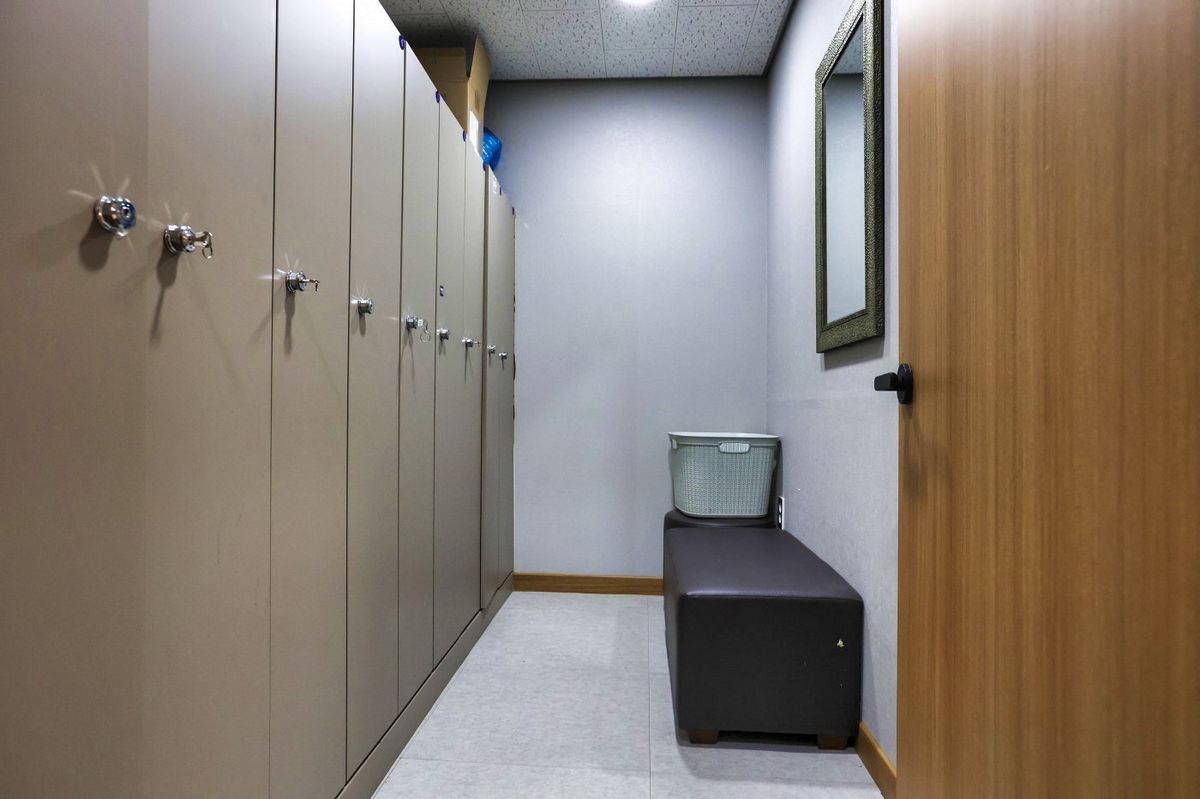
Choose comfortable clothes that allow staff to assess the arm or area containing your access. Avoid tight clothing over it. Ask about a warm outer layer and rules for personal belongings. Do not remove or open catheter dressings yourself.
A first visit does not automatically require fasting or drinking extra water. Follow your individual instructions about meals, eating during treatment and fluid limits. With diabetes, check in advance how a changed meal time affects medicines or insulin, and report previous low-blood-sugar episodes.
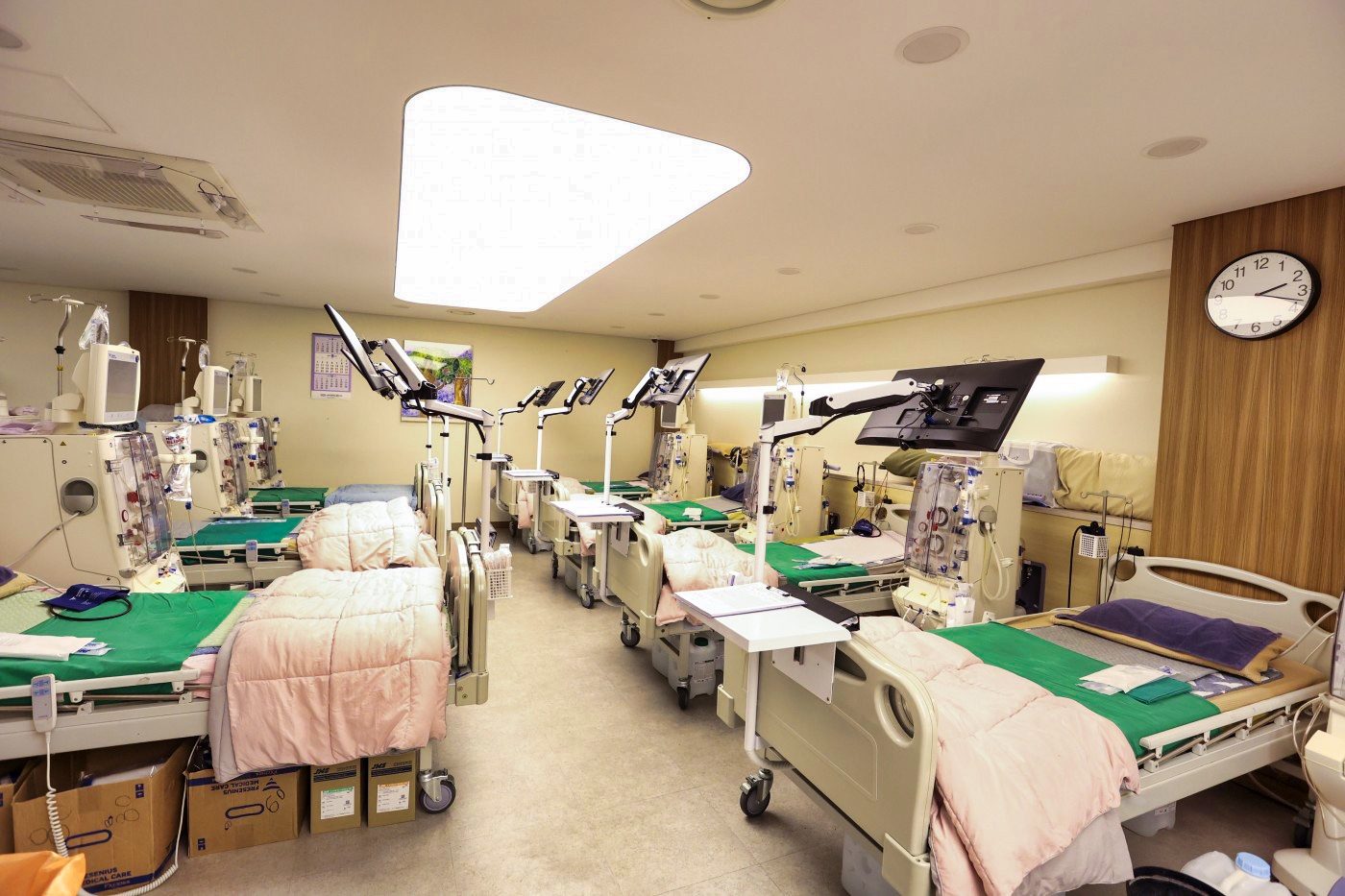
Tell staff promptly if you feel unwell during treatment. Do not stand up alone or touch the machine, needles or connecting lines. Questions are normal at a first visit. Ask for explanations again or request written notes for instructions you need to remember.
055. Plan the journey home and future contact
You may feel tired or dizzy after initial treatment, so consider transport beforehand. Arrange a companion or other help if needed, and check the unit's rules for accompanying people. Do not assume that transport or continuous personal assistance is provided for everyone.
Do not drive if dizzy or weak. If symptoms remain when treatment ends, tell staff and have your condition checked before leaving. A companion can also listen to instructions about medicines, the next appointment and changes to watch for at home.
Confirm your next session, arrival time and whom to contact outside normal hours. Write down which missing records to provide and when. Rather than trying to remember every explanation at once, revisit the instructions that matter most.

066. Some symptoms take priority over preparation
If you develop fever, chills, or swelling and pain around the access before the visit, contact the unit or treating team promptly. Do not cancel dialysis yourself because you feel unwell; describe the symptoms and ask where to be assessed. The NHS dialysis complications guide discusses infection concerns and bleeding.
For chest pain, severe breathlessness, fainting, altered consciousness or bleeding from the access that will not stop, call 119 in Korea or seek emergency care. Do not delay help to confirm a booking, finish a medicine list or wait for the clinic to answer. These symptoms need prompt assessment rather than an assumed diagnosis.
In closing
For a first dialysis-unit visit, check medicines and treatment records, day-of-visit instructions and transport one step at a time. When discussing a hemodialysis appointment at Shin Yun Soo Clinic in Cheoin-gu, Yongin, explain whether you are starting or transferring care. Ask what preparation and assessment are needed based on the information available.
Frequently asked questions
Should I delay the visit if test results or a referral are missing?
First explain to the unit what you have and what is missing. Ask which records are needed, but do not postpone treatment or urgent symptom assessment yourself because of paperwork.
Must I always skip blood pressure medicine on dialysis days?
There is no single instruction for everyone. Ask for a plan based on your medicines and blood pressure pattern. Do not stop blood pressure or diabetes medicines or insulin yourself, or copy another patient.
Must I fast or drink extra water for my first visit?
Do not make either change yourself. Ask about meals, medicines and fluids, especially if you have diabetes or a fluid restriction.
Can I drive myself home after the first session?
Discuss transport in advance and arrange help if needed. Do not drive while dizzy or weak. Tell staff about symptoms and have your condition checked before leaving.
※ This article provides general health information and does not replace an individual diagnosis or treatment. What your test results mean and how they should be managed depend on your condition, so please consult a doctor.