
“One side of my back suddenly hurts. The pain eases for a while and then comes back. Could it be a kidney stone?”
A stone that forms in the kidney can move into the ureter, the tube that carries urine down to the bladder. The pain may spread from the side to the lower abdomen or groin, and it can come in waves. Nausea or blood in the urine can also occur. Several conditions cause similar pain. If this is your first episode of sudden pain, get it assessed the same day.
01When fever or chills make it urgent
Go straight to an emergency department if flank pain comes with fever or shaking chills. An infection behind a stone that blocks urine needs urgent treatment. Get emergency care as well if the pain is unbearable, if repeated vomiting keeps you from drinking, or if you suddenly pass very little or no urine compared with usual. In South Korea, call 119 if you deteriorate quickly or cannot travel safely.
Tell the medical team right away if you are pregnant or could be pregnant. If you have only one working kidney, get assessed immediately. These situations call for prompt assessment even without fever.
02What urine and blood tests can show
The clinician will ask when and where the pain began and whether you have had fever or vomiting. A urine test looks for blood and signs of infection. A stone is still possible when there is no blood in the urine, and blood alone does not establish the diagnosis. The clinician may order a urine culture if infection is suspected.
A blood test can help check kidney function or signs of infection. Tell the clinician about kidney disease, previous stones or treatment, and current medicines. If you have hemodialysis, mention your usual urine output and the date of your last dialysis session.
03How ultrasound and CT differ
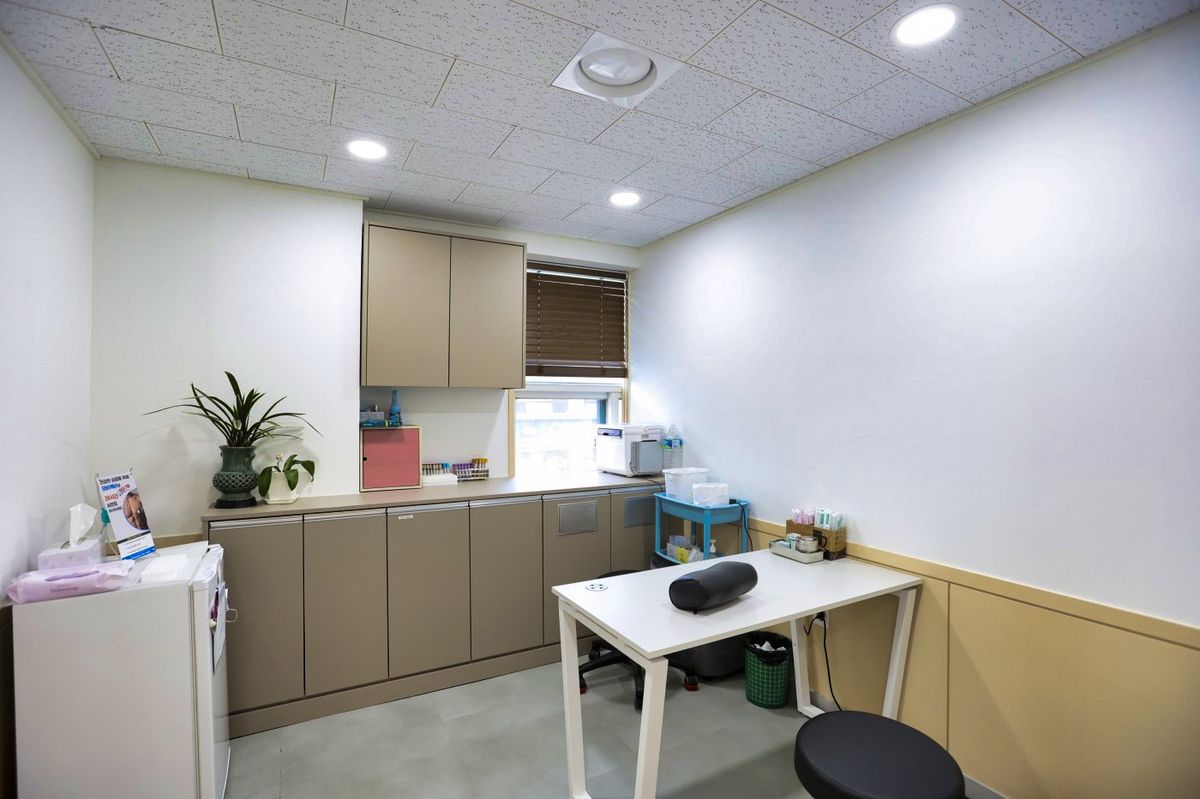
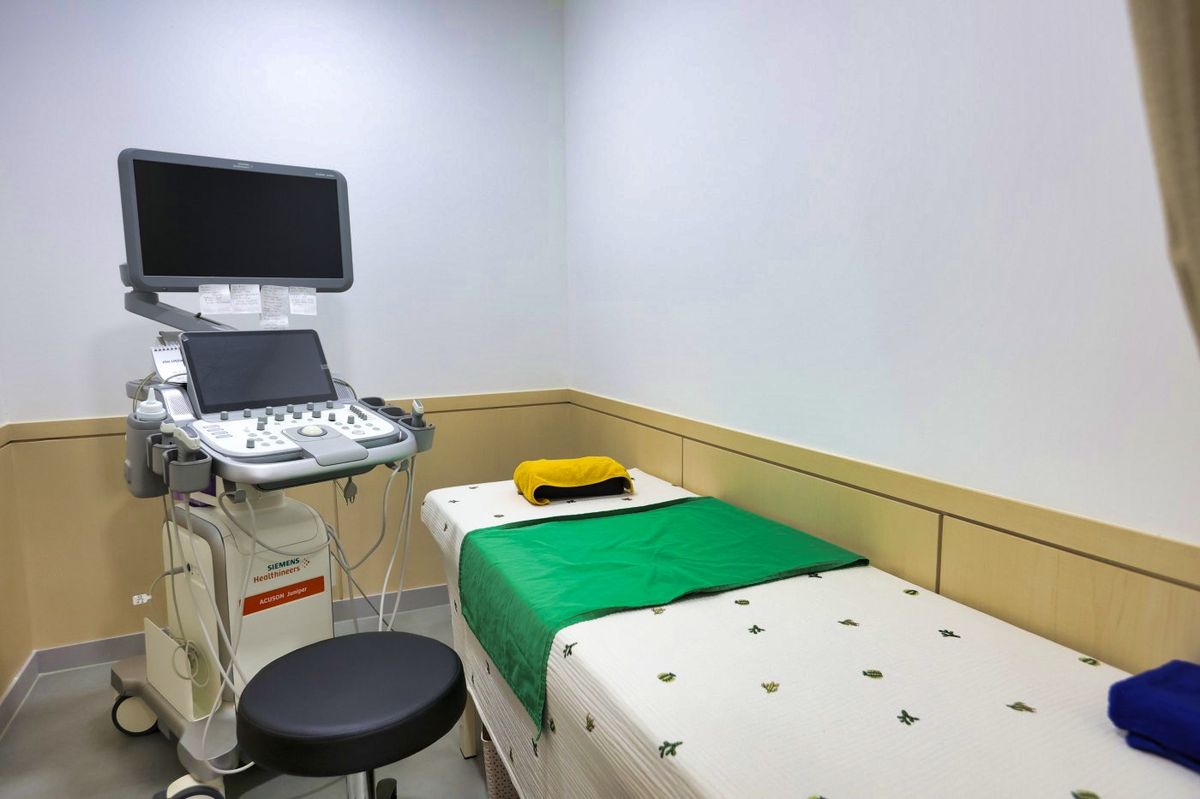
Ultrasound can look for signs that urine is backing up in the kidney without using radiation. A small stone in the ureter may not show up on ultrasound. If a stone is still suspected in an adult, the clinician may consider a CT scan without contrast to identify its size and location.
Ultrasound is usually considered first during pregnancy. The choice of imaging depends on symptoms, the examination, possible pregnancy and prior tests. The clinician decides whether more imaging or a referral to a urologist is needed.
04What to note if the pain eases
Less pain does not tell you whether the stone has passed or urine is flowing freely again. Record when the pain started, whether it moved, changes in temperature and urine volume or color, and any medicines you took. If a stone has already been diagnosed, follow the review and testing plan even if you feel better.
Avoid drinking a large amount of water at once to try to force the stone out during severe pain. If you have a fluid limit for kidney disease or dialysis, keep following your existing plan. Once symptoms settle, discuss how much to drink to reduce the risk of another stone.
In brief
To check for a stone, the medical team considers the pain pattern alongside urine and blood tests and any imaging you need. Seek emergency care if flank pain comes with fever or chills, or if you suddenly stop passing urine.
Shinclinic in Cheoin-gu, Yongin, offers outpatient consultations about kidney health and test results. For outpatient inquiries, call 031-337-2267.
Frequently asked questions
Could it be a stone if I cannot see blood in my urine?
Yes. Blood may not be visible. The clinician considers your symptoms together with your test results.
Does a normal ultrasound rule out a stone?
A small ureteral stone may not show on ultrasound. Your clinician may order further tests if symptoms continue.
Does pain relief mean the stone has passed?
Pain relief alone cannot show that. If you already have a diagnosis, follow your review plan.
What if I have flank pain and fever or chills?
Go straight to an emergency department. In South Korea, call 119 if you are worsening quickly or cannot travel safely.
※ This article provides general health information and does not replace an individual diagnosis or treatment. What your test results mean and how they should be managed depend on your condition, so please consult a doctor.