

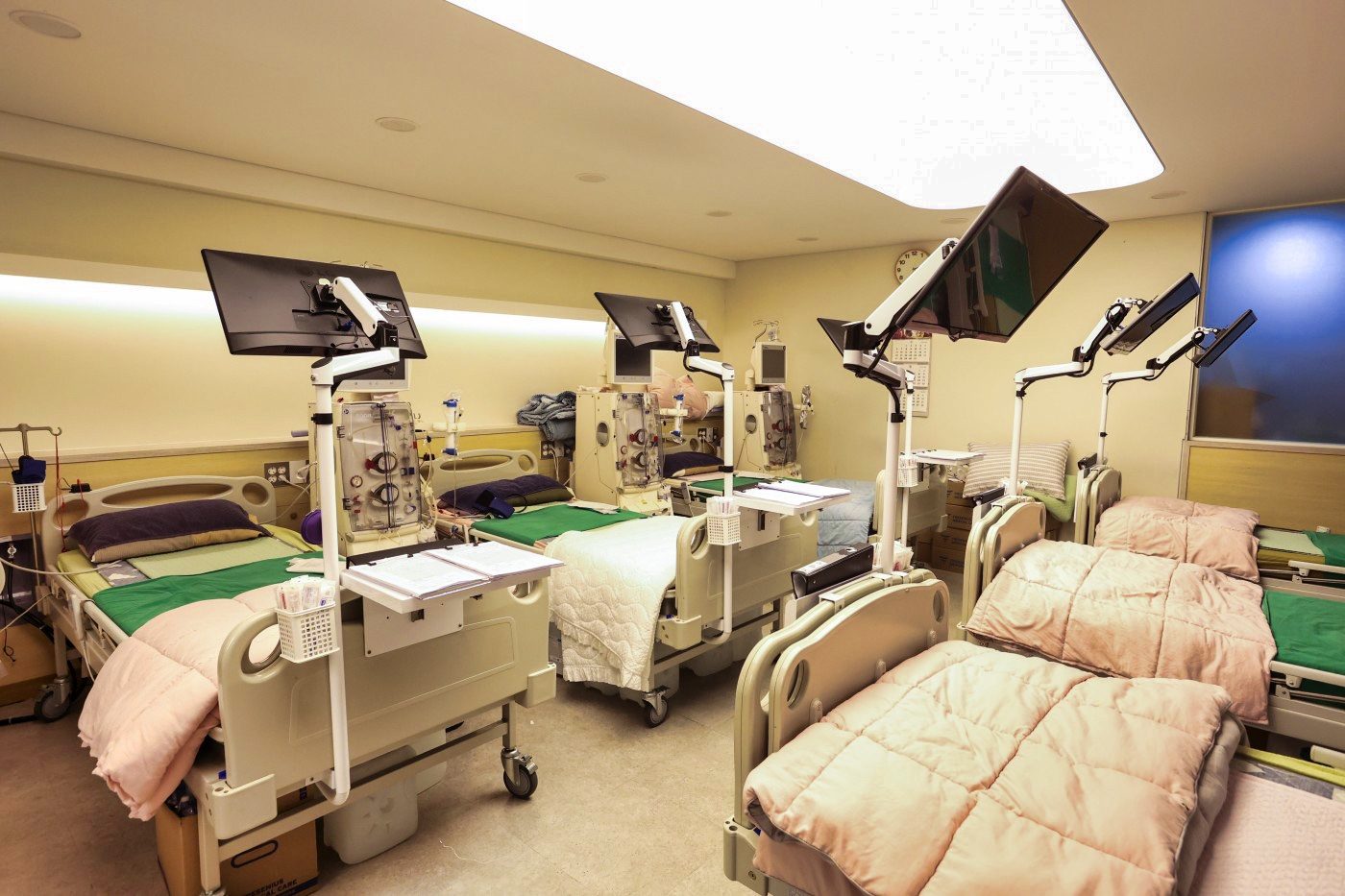
If you feel dizzy or your calf suddenly tightens during hemodialysis, you may think you should wait until treatment ends. It is better to tell a member of your care team as soon as the symptom starts. Putting up with discomfort is not a measure of how well you are receiving treatment.
Hemodialysis replaces part of your kidneys' work and can change the balance of fluid and minerals in your body. Dizziness and cramps do not always have the same cause. This article focuses on describing changes to your care team, rather than diagnosing or treating them yourself.
011. Changes in blood pressure and fluid balance may play a part
Hemodialysis removes waste and extra fluid. A fall in blood pressure can cause dizziness, weakness or nausea. Muscle cramps—sudden, painful tightening of a muscle—may also be related to fluid removal and changes in blood pressure or mineral balance. The National Institute of Diabetes and Digestive and Kidney Diseases (NIDDK) hemodialysis guide explains these possible problems.
Do not assume that a cramp means you need potassium, or that dizziness only needs a drink of water. Symptoms alone cannot reliably tell you your blood pressure or mineral levels. Other illnesses and medicines may also need to be considered. Tell staff whether this feels like previous discomfort or is suddenly more severe.
Even if a symptom has happened before, report it again. When it starts and what happens alongside it may change what your team needs to check.
022. Tell staff now, rather than waiting for the next blood pressure check
Let nearby staff know if you develop dizziness, nausea, a cold sweat, weakness or cramping. A running machine and visible readings do not automatically communicate everything you feel. You do not need a long explanation: “I feel dizzy now” or “My right calf has suddenly cramped” is enough to start.
While staff assess you, do not stand up alone or touch the machine, needles or tubing. Ask for help before changing position or moving your leg. Sudden movement while needles are connected can create additional problems.
| Helpful detail | How to describe it |
|---|---|
| When it began and how it is changing | Just started, or getting worse |
| Location and sensation | Which leg; tightening, pain or tingling |
| Other symptoms | Sweating, nausea, palpitations, chest pain or breathlessness |
| Comparison with earlier sessions | First episode, or the same point in previous treatments |
033. Do not change fluids, salt or medicines on your own
Do not try to treat dizziness or cramps by drinking a lot of water, sports drinks or salt water. Fluid, sodium and potassium plans differ between people on dialysis. General advice for low blood pressure may conflict with your own treatment plan. NIDDK's eating and nutrition guide for hemodialysis explains why fluid and mineral intake need individual advice.
Do not start potassium or magnesium supplements, or increase their dose, to prevent cramps without guidance. Do not routinely skip prescribed blood pressure medicine on dialysis days or shorten your dialysis sessions. Ask your clinician for a personal plan for medicine timing and what to do when symptoms appear.
Your team will consider symptoms, tests, weight and blood pressure trends when deciding whether treatment needs adjustment. No single measure stops cramps for everyone. If symptoms recur, bring together details of the episodes for discussion.
044. A short record can connect recurring symptoms
Report symptoms first. Once you are stable, note the date, whether they occurred near the start, middle or end of treatment, how long they lasted and what changed after staff helped. Exact minutes and medical terms are not essential.
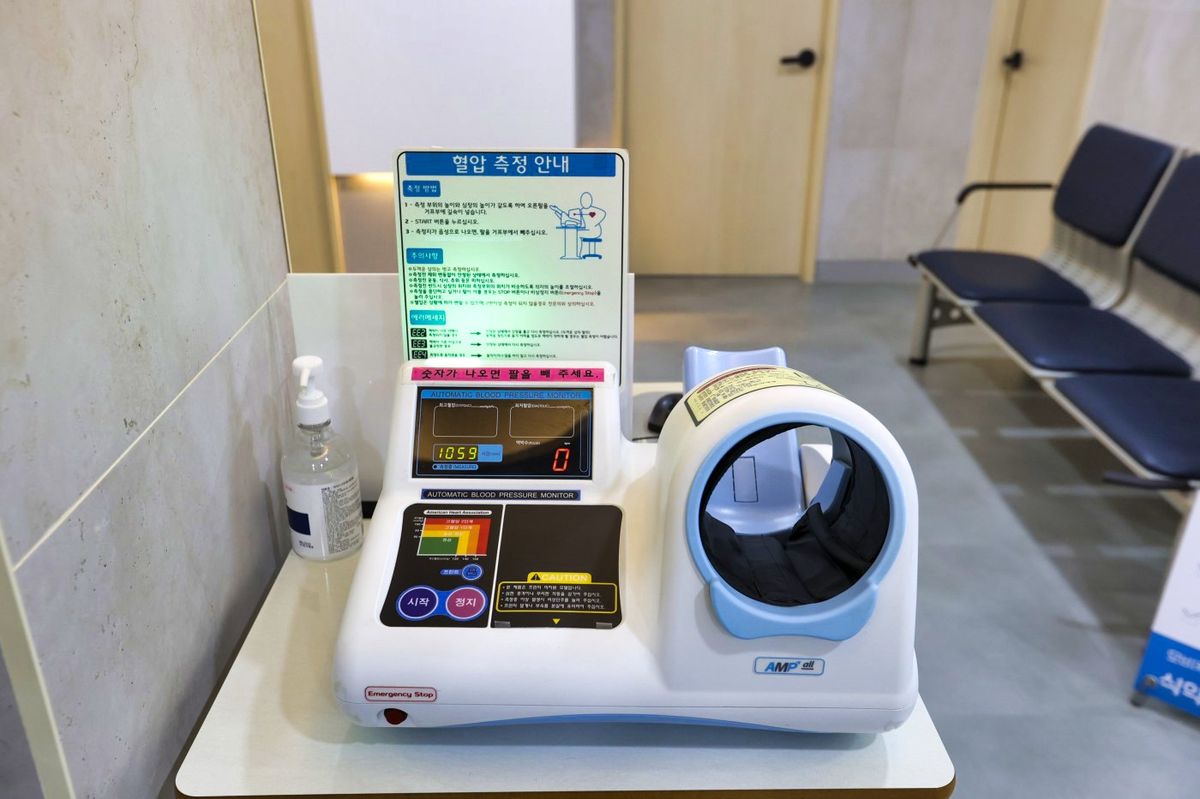
If you measure blood pressure at home, record the time and any symptoms. Share medicine names and times taken, recent vomiting, diarrhea or fever, and days when you ate poorly. Bring any weight and fluid records you already keep. Do not change medicines or intake just to make the numbers look better.
A simple timeline such as “My calf tightened near the end and was still uncomfortable after I got home” can help. A family member can also report new difficulty walking or being less responsive than usual. Never delay calling because your notes are incomplete.
055. Check how you feel before leaving and after going home
If you still feel dizzy after dialysis, tell staff and have your condition checked before getting up quickly or leaving. Do not drive or travel alone while dizzy. Some tiredness can follow treatment, but severe symptoms should not be dismissed as an inevitable part of dialysis. The Mayo Clinic hemodialysis guide distinguishes problems during treatment, soon afterwards and between sessions.
If dizziness or cramps continue or keep returning at home, or vomiting prevents you from eating or taking medicines, contact your dialysis unit or treating clinician promptly instead of waiting for your next session. Fever, chills, or swelling and pain around the vascular access also need prompt assessment.
Ask in advance whom to contact outside clinic hours and which situations need an emergency department. The clinic telephone numbers below do not mean you should wait for someone to answer during an emergency.

066. Chest pain, severe breathlessness or altered consciousness need immediate help
Ask for immediate help for sudden chest pain, severe breathlessness at rest, fainting or reduced consciousness. In the dialysis unit, alert staff immediately. Outside the hospital, call 119 in Korea or seek emergency care. Do not delay if chest pain or severe palpitations accompany an episode even after consciousness returns. Do not drive yourself.
Sudden slurred speech, weakness in one arm or leg, and bleeding from the vascular access that will not stop also need emergency attention. Do not put off calling for help to repeat a blood pressure reading or finish a symptom record. The NHS guides on fainting and dialysis complications highlight abnormal recovery or associated symptoms and urgent action for access bleeding.
A final thought
Dialysis discomfort is not a test of endurance. A few words about what you feel can start an assessment. When discussing dialysis arrangements at Shin Yun Soo Internal Medicine Clinic in Cheoin-gu, Yongin, share symptoms from previous sessions and your current medicine list. Your condition and treatment plan can then be discussed individually.
Frequently asked questions
Should I drink more water if my leg cramps during dialysis?
Tell staff first rather than increasing water, salt water or sports drinks yourself. Several factors can contribute to cramps, and fluid and mineral plans are individual.
Should I report dizziness even if my blood pressure is close to usual?
Yes. One number does not establish the cause or level of risk. Report when symptoms began, their severity and other changes. Chest pain, severe breathlessness or altered consciousness need immediate help.
Is it better not to take blood pressure medicine on dialysis days?
There is no single rule for everyone. Your clinician advises on timing based on the medicine, blood pressure trends and other conditions. Do not skip doses or change the amount on your own.
What if dizziness or cramps remain after I get home?
Contact your dialysis unit or treating clinician promptly if they persist or recur. Chest pain, severe breathlessness, fainting, reduced consciousness or access bleeding that will not stop require 119 or emergency care.
※ This article provides general health information and does not replace an individual diagnosis or treatment. What your test results mean and how they should be managed depend on your condition, so please consult a doctor.