
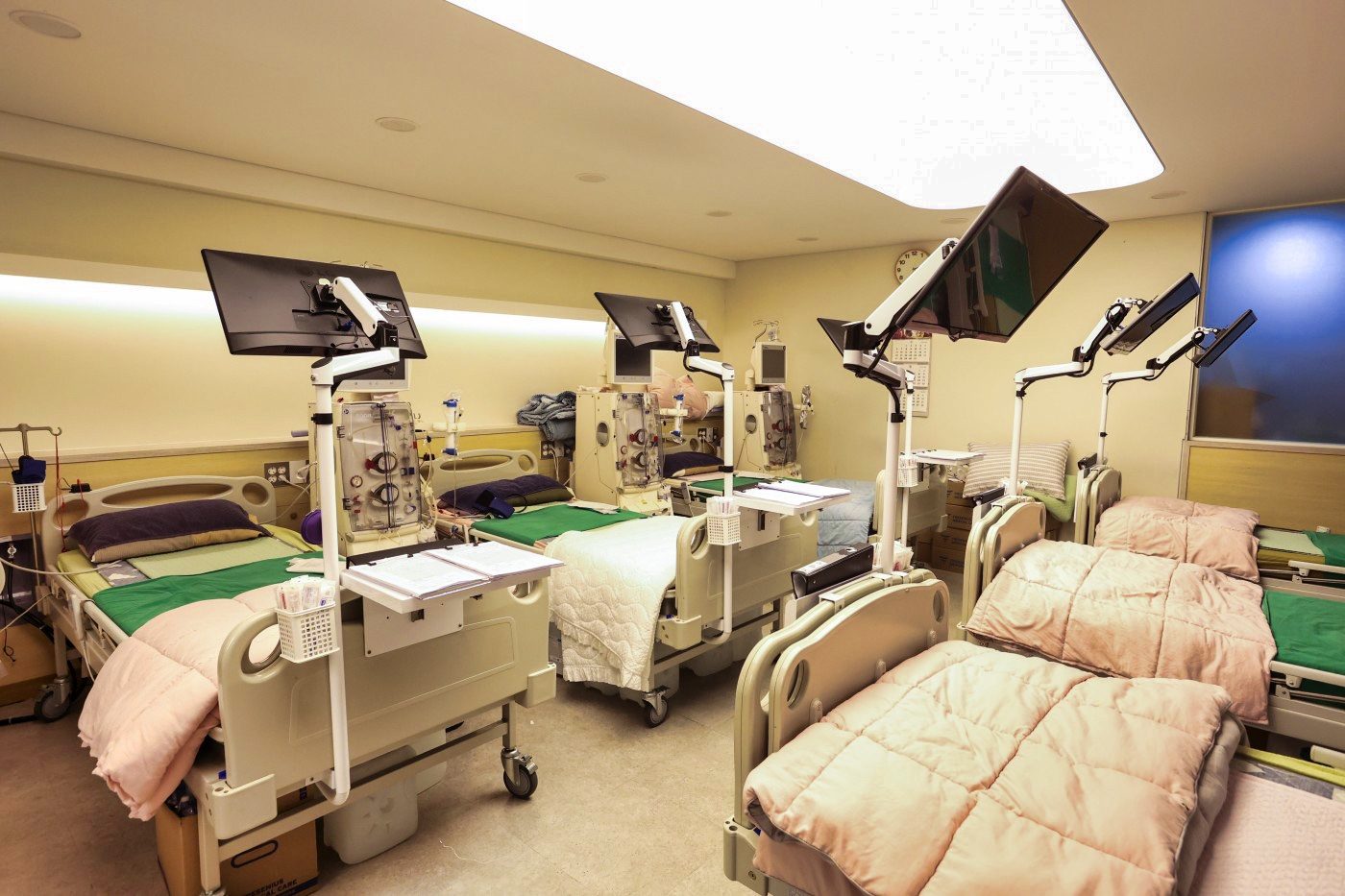
“Why do I need to be weighed both before and after haemodialysis?”
When the kidneys cannot remove enough water, fluid can build up between treatments. Weight is one clue to that build-up. Changes in weight need to be considered alongside blood pressure, swelling and breathing. Managing weight does not mean aiming for the lowest number or simply going thirsty. It means understanding your individual plan and sharing changes with your team.
01What does each measurement tell us?
Your pre-dialysis weight is compared with your previous post-dialysis weight. Food and drink intake, urine output and symptoms help put the change into context. After treatment, the team checks both the weight change and how you feel.
- Before: report weight gain since the last treatment and any symptoms.
- During: tell staff immediately about cramps, dizziness or nausea.
- After: check the treatment target together with blood pressure and symptoms.
The difference is used to assess fluid removal; it is not the amount of body fat lost. These numbers are information for planning care, not a score for good or bad behaviour.
02Does dry weight mean the lightest possible weight?
Dry weight describes body weight without excess fluid. It helps guide the target weight after dialysis. The aim is not to remove as much water as possible. A target that is too low can contribute to low blood pressure and discomfort; a target that is too high can leave excess fluid behind.
The team considers blood pressure, swelling, breathing, nutrition and overall health. Your target may need reassessment as your condition changes.
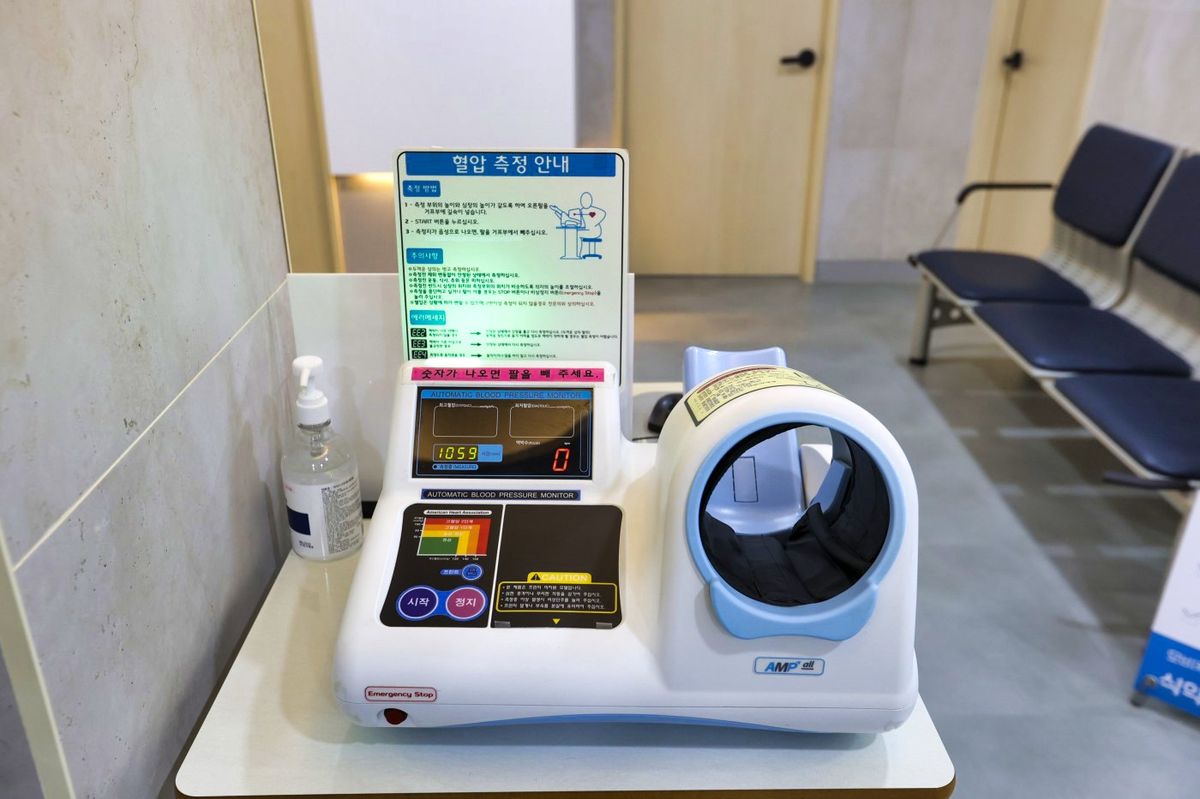
03Is removing more fluid always better?
There is a limit to how much fluid can safely be removed in a session. Removing it too quickly can cause a fall in blood pressure, cramps or nausea. Too much fluid remaining in the body can contribute to swelling and breathlessness.
Rather than deciding to have more fluid removed yourself, discuss weight gain and symptoms with the team. They may review the target, removal rate, session length or schedule. Do not shorten or skip dialysis and plan to make up for it next time.
04What counts as fluid, and who sets the allowance?
Include water, tea, coffee, water taken with medicine, soup, ice and foods that melt. Check the capacity of your usual cup. A brief record of amounts and times can make discussion easier. Ice still counts when it melts.
| What to record | Helpful details |
|---|---|
| Water and drinks | Cup size, amounts and frequency |
| Soup and ice | Portions taken with meals or snacks |
| Symptoms | Weight, swelling, breathlessness or dizziness |
| Other changes | Appetite, vomiting, diarrhoea or medicine changes |
Your allowance depends on factors including urine output, heart health and your dialysis plan. Do not copy another patient's allowance or use an internet formula. General advice to drink plenty of water may not suit someone on dialysis. Ask your team if you do not know your personal allowance.
05Preparing for the next discussion
Salty foods can increase thirst. Review how often you have salty side dishes or soup. Spread drinks within your agreed allowance, and ask for advice if your mouth stays dry. Do not treat fruit or sports drinks as unlimited alternatives: potassium, phosphorus and blood glucose may also matter.
If advised to weigh yourself at home, use similar timing and clothing and note the conditions. Do not change your target because a home scale differs from the clinic scale. Bring these questions:
- What is my current post-treatment target weight?
- How much gain between sessions should prompt a call?
- Which foods count towards my daily fluid allowance?
- Whom should I contact about poor appetite or dizziness?

06Changes that should not wait until your next session
Contact your dialysis unit about new or worsening swelling, breathlessness or unexplained rapid weight changes. During dialysis, report dizziness, cold sweats, nausea or cramps immediately. Do not stop blood pressure medicines or drink extra fluid on your own to treat these symptoms.
Severe breathlessness at rest, severe chest pain or reduced consciousness requires emergency help. In Korea, call 119 rather than waiting for an appointment or a callback. A weight within your target range does not make new symptoms safe to ignore.
In closing
Weighing before and after dialysis helps guide fluid balance, rather than pursuing a lower number. Share changes even if your records are incomplete. When contacting the dialysis unit at Shin Yun Soo Internal Medicine Clinic, have recent weights and symptoms ready.
Frequently asked questions
Does dry weight stay the same forever?
No. Changes in health, nutrition or body tissue can require reassessment. Adjust the target with your team.
If I still pass urine, do I need a fluid limit?
Passing urine does not by itself show that enough fluid is being removed. Your team sets an individual allowance using urine output and the treatment plan.
Should I drink water when I get cramps during dialysis?
Tell staff immediately. They need to assess blood pressure and fluid removal. Do not add drinks or alter treatment yourself.
Should I eat less if my weight increases?
Fluid gain must be distinguished from changes in body tissue. Do not simply cut meals; discuss food intake and appetite so nutrition can be assessed too.
References
- NIDDK
- KDIGO (2020)
- Cambridge University Hospitals
- Cambridge University Hospitals
- National Kidney Foundation
- National Kidney Foundation
- NIDDK
※ This article provides general health information and does not replace an individual diagnosis or treatment. What your test results mean and how they should be managed depend on your condition, so please consult a doctor.