“I’m on hemodialysis, and my latest blood test showed high phosphorus. Where should I start with food and medicines?”
Phosphorus is a mineral your bones and cells need. When your kidneys cannot clear enough phosphorus, your blood level can stay high even on dialysis. Over time, high phosphorus can affect your bones and blood vessels. Start with your earlier results, your usual meals, and the instructions for any phosphate binder you take.
01Compare the result with earlier tests
Find the phosphorus or phosphate (P) value and the date on your report. Bring earlier results if available. Your dialysis team will look for levels that stay high or keep rising, along with your calcium and parathyroid hormone (PTH) results. Tell them if you missed or shortened a dialysis session.
Follow the timing the clinic gave you for a repeat test or visit. If you are eating much less or repeated vomiting makes it difficult to eat or take medicines, contact your dialysis team before your next scheduled visit. In South Korea, call 119 for emergency symptoms such as chest pain or sudden shortness of breath.
02Keep enough protein and review processed foods you eat often
Getting enough protein matters on dialysis. Check with your team about suitable types and amounts before cutting back on several protein foods such as meat, fish or eggs. If you often eat processed meat, processed cheese or ready meals, look in the ingredients for phosphate additives such as sodium phosphate or polyphosphates. Phosphorus from these additives is readily absorbed.
If the amount of phosphorus is hard to find, bring a photo of the ingredient list. Make a short note of recent meals and snacks to help your team decide which changes to try first. Protein and phosphorus needs depend on your nutrition and test results.
03Check how your phosphate binder fits your meals
Phosphate binders reduce how much phosphorus your gut absorbs from food. They are usually taken around meals. The exact timing, number of tablets and whether you need one with snacks depend on your prescription. Check the pharmacy label and ask your dialysis team or pharmacist what to do if you skip a meal or forget a dose. Do not take twice as much on your own at the next meal.
In brief
Check recent results, the ingredient lists of foods you eat often and your phosphate binder instructions. Reviewing all three can help you keep eating enough while identifying what needs to change.
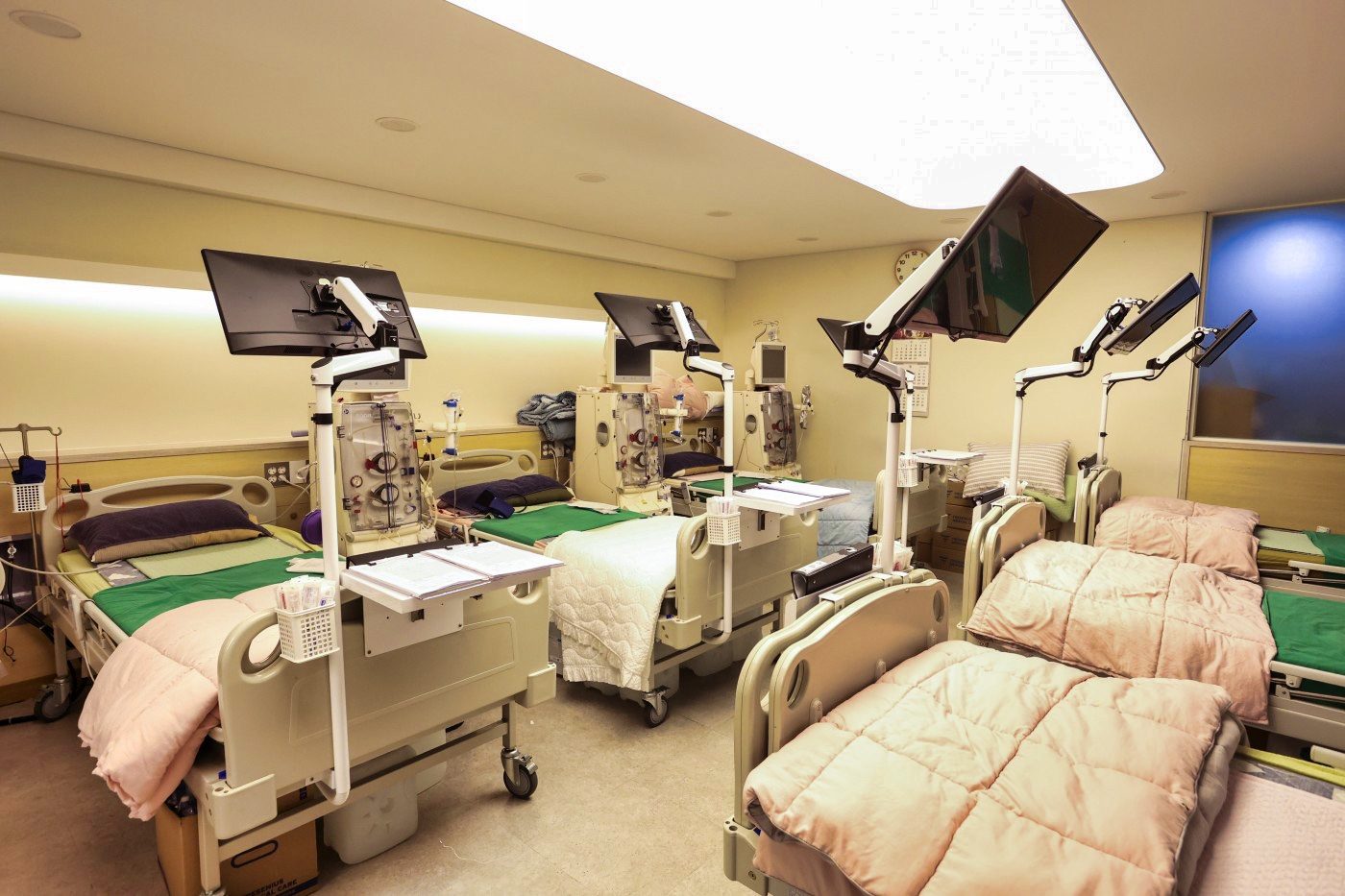
The hemodialysis unit at Shin Yun Soo Internal Medicine Clinic in Cheoin-gu, Yongin, provides information about hemodialysis and test-result consultations. Call 070-4237-8710 for dialysis inquiries or 031-337-2267 for outpatient inquiries.
Frequently asked questions
Do I need a medication change after one high result?
Your team will consider trends, calcium and PTH results, your meals and your medicines. Follow your current prescription while you ask about any change.
Should I eat less protein to lower phosphorus?
You need enough protein on dialysis. Start by reviewing processed foods and additives you eat often. Ask your team how much protein you need.
Do I need a phosphate binder with snacks?
That and the number of tablets depend on your prescription. Tell your dialysis team or pharmacist what snacks you usually eat and ask for specific instructions.
What if I forgot a binder at a meal?
Missed-dose instructions vary. Check the prescription or ask your dialysis team or pharmacist before taking an extra dose.
※ This article provides general health information and does not replace an individual diagnosis or treatment. What your test results mean and how they should be managed depend on your condition, so please consult a doctor.