“My blood test showed high potassium. I feel fine. Do I need another test?”
Potassium helps the heart and muscles work normally. The kidneys remove excess potassium in urine. Blood potassium can rise when the kidneys are not working well or when you take certain medicines. You may feel well even when it is high. Start by checking the result and any instructions from your care team.
01Check the result with the team that ordered the test
Find the potassium result, unit and test date. Keep any earlier results handy. If the medical team gave you instructions about when to come in or repeat the test, follow them. If the result is flagged as high and you have received no instructions, contact the clinic that tested you or your care team that day to find out how soon you need assessment.
If you are told the result is very high or needs emergency assessment, follow the advice right away, even if you feel well. If you received an urgent alert and cannot reach the team, go to an emergency department. In South Korea, call 119 if you suddenly develop palpitations, chest pain, shortness of breath, fainting, or severe muscle weakness.
02Why might a repeat test be needed?
Red blood cells can break during blood collection or sample handling. This is called hemolysis, and it can make the measured potassium look higher than it really is. The clinician considers the sample, previous results, symptoms and kidney function to decide whether and when to repeat the test. If the report mentions hemolysis, get the result checked as instructed. A very high level or symptoms may also call for prompt assessment, such as an electrocardiogram (ECG).
03Have your medicine and supplement names ready
Tell your team about blood pressure and heart medicines, any recent anti-inflammatory pain relievers or antibiotics, potassium supplements, and low-sodium salt or other salt substitutes. Check with your care team before stopping prescription medicines or changing doses. They can review your test results and the products you take when assessing possible causes.
If you are on hemodialysis, give your usual schedule and the date of your last session. Tell your dialysis team right away if you missed or shortened a session. Follow your care team's instructions about any change to food, fluids or dialysis.
In brief
When a test shows high potassium, check the exact result and the instructions from the team that ordered it. Bring your test report and medicine list to help the team plan follow-up.
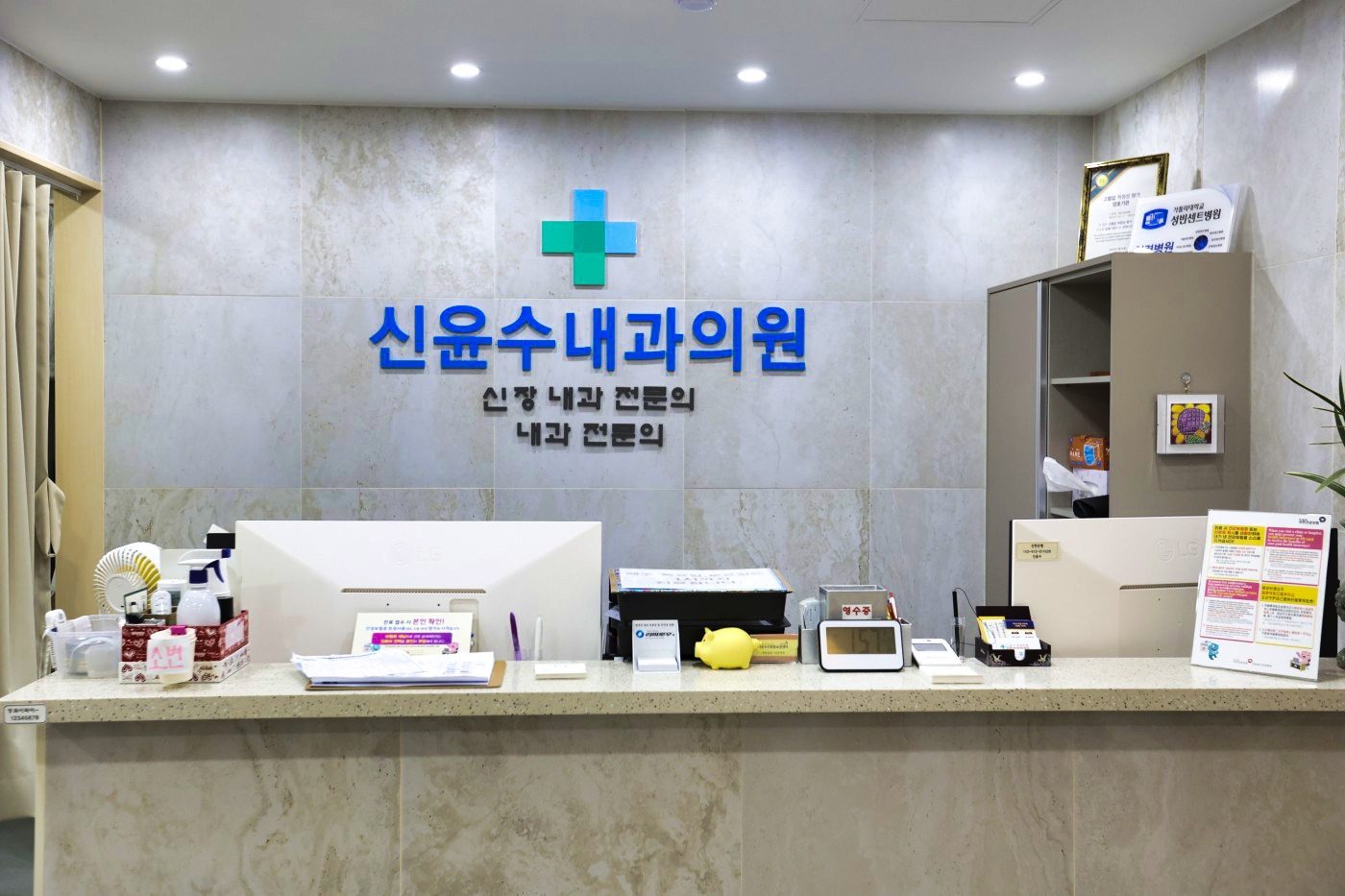
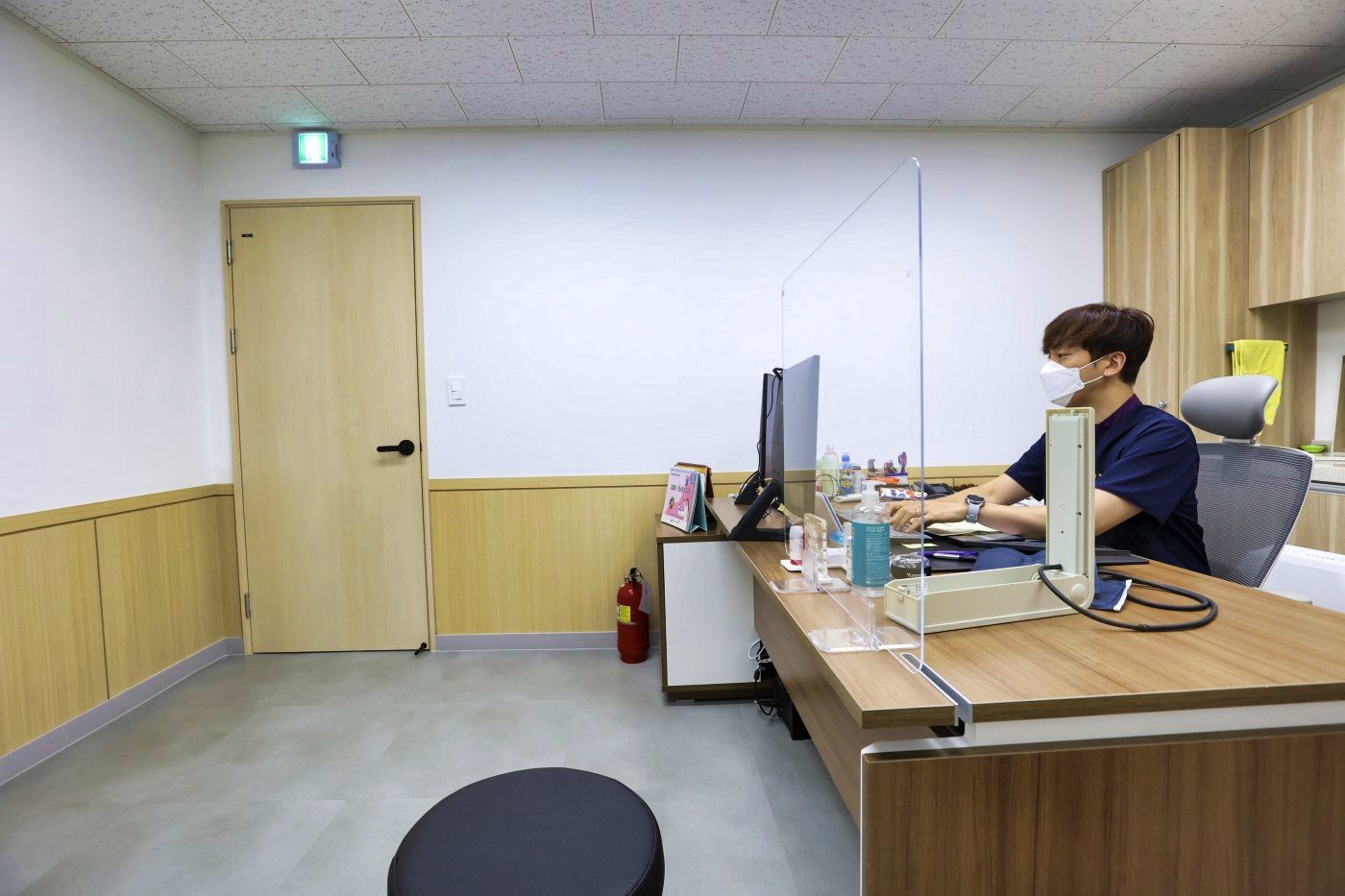
Shin Yun Soo Internal Medicine Clinic in Cheoin-gu, Yongin, offers outpatient consultations about kidney health and test results. For outpatient inquiries, call 031-337-2267.
Frequently asked questions
Can I wait until my next visit if I feel well?
High potassium can cause no symptoms. If you were given no instructions, contact the testing clinic or your care team the day you receive the result.
Does a hemolyzed sample need a repeat test?
The measured level can be higher than the true level. The clinician decides whether and when to repeat the test. Follow any emergency instructions immediately.
Should I stop my blood pressure medicine first?
Tell your team the names and doses and check with them before stopping or changing the medicine.
What if my potassium is high and I am on dialysis?
Tell the dialysis team about the result and your last session, including any missed or shortened sessions. Seek immediate help if told the result is urgent or if sudden symptoms such as chest pain, breathlessness or fainting occur.
※ This article provides general health information and does not replace an individual diagnosis or treatment. What your test results mean and how they should be managed depend on your condition, so please consult a doctor.