
“My kidneys do not work well, and I have diarrhea and vomiting. Will drinking more water help?”
Check fluid losses, what you can eat and drink, and your usual medicines together. People with reduced kidney function or on dialysis need an individual plan. Contact your healthcare team early if symptoms recur or you have difficulty keeping food or fluids down.
01Dehydration can put extra strain on the kidneys
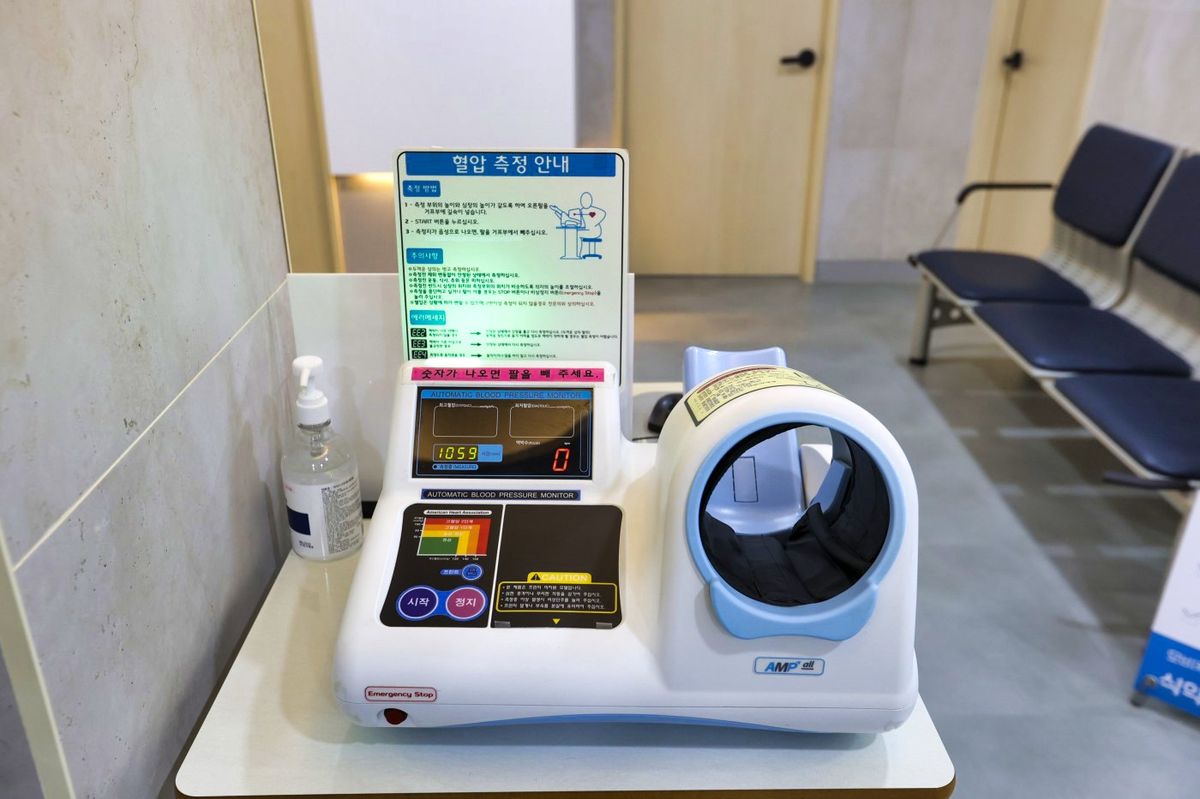
Vomiting or diarrhea can cause dehydration when fluid losses are not adequately replaced. Dry mouth, less urine than usual and dizziness on standing can be clues. A fall in blood pressure may reduce blood flow to the kidneys and contribute to acute kidney injury, a sudden decline in kidney function.
Tiredness or dizziness alone cannot establish dehydration or kidney injury. Assessment may include your symptoms, medicines, blood pressure, creatinine and other kidney or electrolyte tests. Bring previous results if available.
02Record when symptoms began and what changed
Note the start time, the number of episodes, and when you last ate or drank. Tell the team whether you keep vomiting what you drink, and whether you have fever, abdominal pain or blood in the stool. Home blood pressure or weight records can also help.
If you normally pass urine, check for a clear change from your usual amount. People on dialysis who already pass very little or no urine cannot rely on urine output alone. Tell the dialysis team about dizziness, food intake, weight changes and the next treatment time.
03Confirm your individual fluid plan
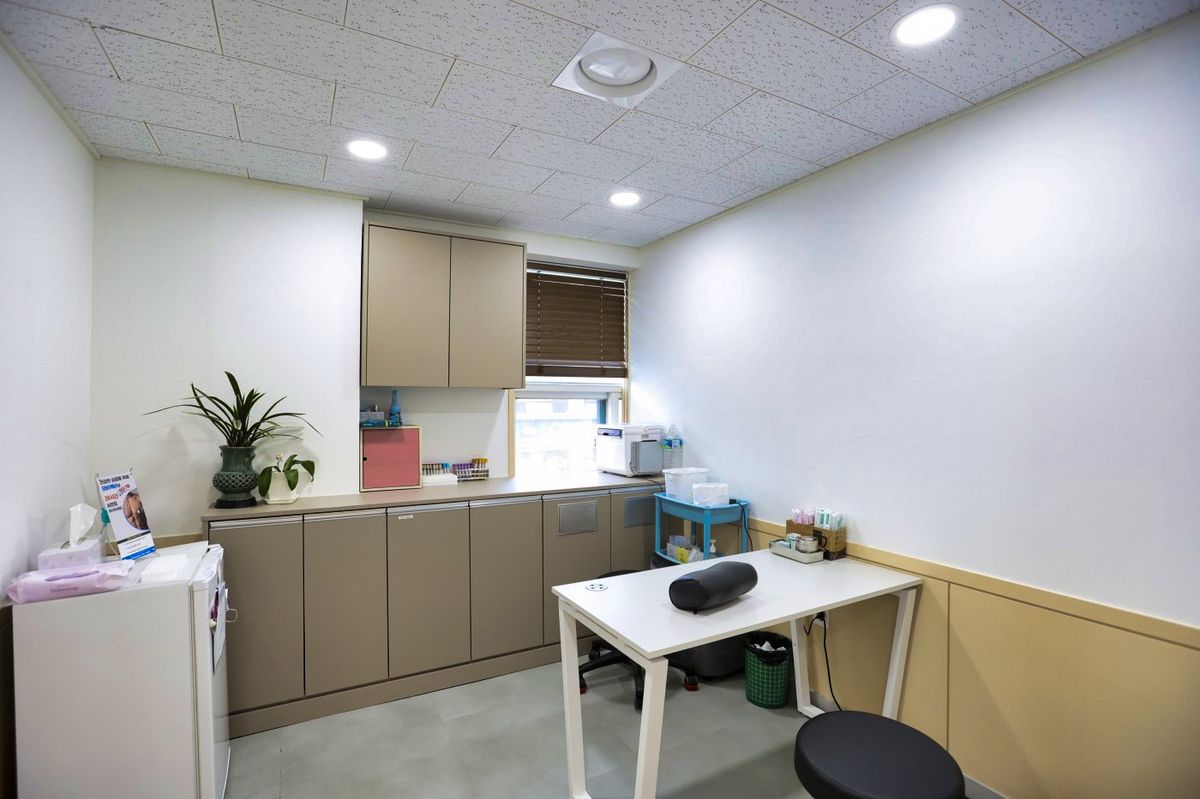
If you can drink, small amounts that you can tolerate may be easier than a large drink at once. Seek care if vomiting continues or you cannot keep fluids down. People with kidney disease should also confirm how much to drink with their healthcare team.
During dialysis or a prescribed fluid restriction, the team needs to consider both your usual limit and your current losses. Contact the dialysis team for a plan suited to the illness. Do not use a fixed fluid number as a reason to ignore worsening symptoms, or assume diarrhea allows unlimited drinking.
Oral rehydration solutions contain sugar and electrolytes. If you have kidney disease or diabetes, ask about the appropriate product and amount first. Sports drinks and other drinks differ from these solutions. Whether intravenous fluids are needed also requires clinical assessment.
04Review your medicines using any existing sick-day plan
Dehydration or low blood pressure may mean that some blood pressure medicines or diuretics need review. Follow the sick-day medicine plan you were given, if you have one. If you have no plan or are unsure whether it fits the current illness, contact your clinician or pharmacist about today's doses.
Avoid making an all-or-nothing decision about all your medicines. If a medicine needs to be adjusted, ask which one, for how long, and when to restart it. Bring the prescription, medicine packages or a list of names and the time of your last doses.
Some anti-inflammatory painkillers can harm the kidneys during dehydration. Tell the pharmacist about kidney disease and dialysis before buying medicine for pain or fever. Bloody diarrhea or fever needs assessment before trying to manage it with additional antidiarrheal medicine.
05Seek care promptly for warning signs
Repeated vomiting despite attempts to drink, a clear fall in your usual urine output, or persistent severe dizziness on standing needs prompt care. Blood in the stool, severe abdominal pain or a high fever also needs assessment. With kidney disease, symptom duration alone should not decide how long you wait.
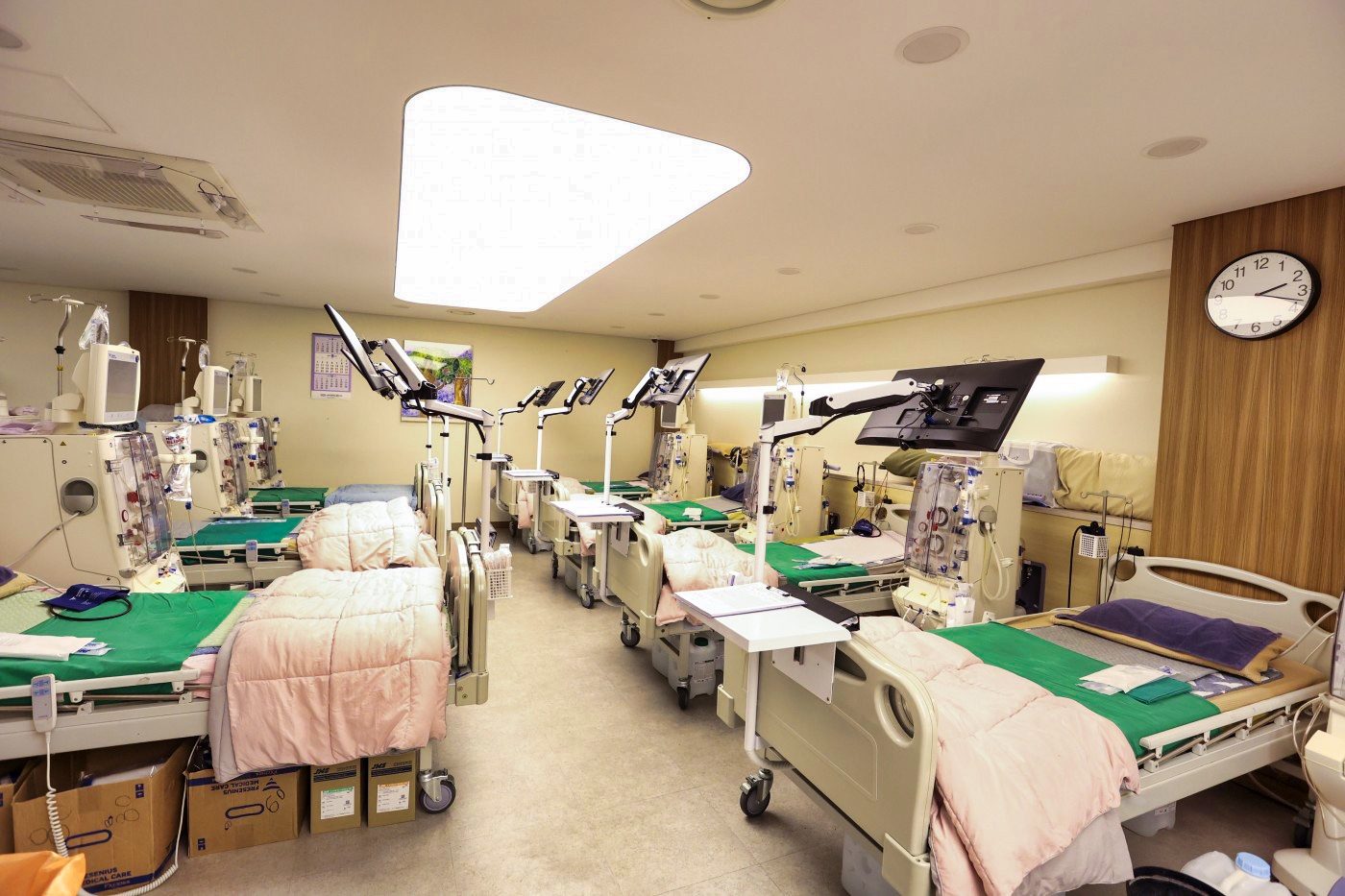
For difficulty breathing, altered consciousness, or collapse with difficulty waking, call 119 in Korea or go to an emergency department. If you are ill on a dialysis day, contact the unit with your symptoms and ability to travel before skipping or changing treatment.
Prepare the information your team needs
Keep a symptom record, recent test results and a medicine list, and ask early how to manage fluids and medicines. Shin Yun Soo Internal Medicine Clinic in Cheoin-gu, Yongin can be contacted on 031-337-2267 for outpatient enquiries and 070-4237-8710 for dialysis enquiries. Use 119 or a nearby emergency department for emergency symptoms.
Frequently asked questions
Can I drink a lot of water for diarrhea if my kidney function is reduced?
The amount depends on fluid losses, kidney function and dialysis. If you have a fluid restriction, tell your team what has changed and confirm an individual plan.
Should I immediately stop my blood pressure medicine or diuretic?
Follow an existing sick-day plan, or ask your clinician or pharmacist if you have none. Any adjustment should include which medicine to pause and when to restart it.
Can I buy an oral rehydration solution?
People with kidney disease or diabetes should ask about the ingredients and amount first. Repeated vomiting that prevents you from keeping fluids down needs medical assessment.
Can I skip dialysis if I have diarrhea that day?
Contact the dialysis unit first. Describe symptoms, your last food and drink, and whether you can travel, so the team can advise about assessment and treatment.
※ This article provides general health information and does not replace an individual diagnosis or treatment. What your test results mean and how they should be managed depend on your condition, so please consult a doctor.