

There is a question I hear often in the exam room: "My checkup report shows my kidney numbers in red. Does that mean my kidneys are failing?"
For many people, the worry starts the day the report arrives — especially after searching online and running into words like "kidney failure" or "dialysis." But creatinine and eGFR are numbers that can shift with how your body is doing on a given day. That is why, when I look at a report, I look past the single number to where it came from and where it is heading: the trend.
Here is what to check, and in what order, when a kidney number is flagged on your checkup.
01What do creatinine and eGFR actually measure?
Creatinine is a waste product made as your muscles work. Most of the creatinine in your blood is filtered out by the kidneys and leaves in your urine. So when the kidneys filter less well, creatinine in the blood goes up.
eGFR (estimated glomerular filtration rate) is calculated from that creatinine value together with your age and sex. It is an estimate of how much blood your kidneys filter per minute, expressed in mL/min/1.73㎡. When creatinine rises, eGFR falls. The two numbers tell the same story from opposite directions.
The word to remember is "estimated." Because eGFR is calculated rather than measured directly, anything that moves creatinine will move eGFR as well.
02Why a single result can be off
Quite a few things other than the kidneys affect creatinine.
- Muscle mass — people with more muscle tend to run higher, and older adults with less muscle tend to run lower.
- Food and exercise before the test — a large meat meal or hard workout the day before can raise it temporarily.
- Dehydration — heavy sweating, drinking too little, or a bout of diarrhea or vomiting can push it up.
- Medicines and supplements — some medicines affect how creatinine is cleared, and creatine supplements used for exercise can raise it.
So I don't tell anyone "you have kidney disease" based on one high reading. The reverse is also true: before deciding "it's probably temporary," it is important to check again.
03Three things to look at first on your report
When patients bring in their report, this is usually the order I go in.
- Compare with earlier results. If you have last year's or the year before's checkup report, please bring it. An eGFR of 70 means something very different if it has hovered around 70 for years than if it has dropped from 90.
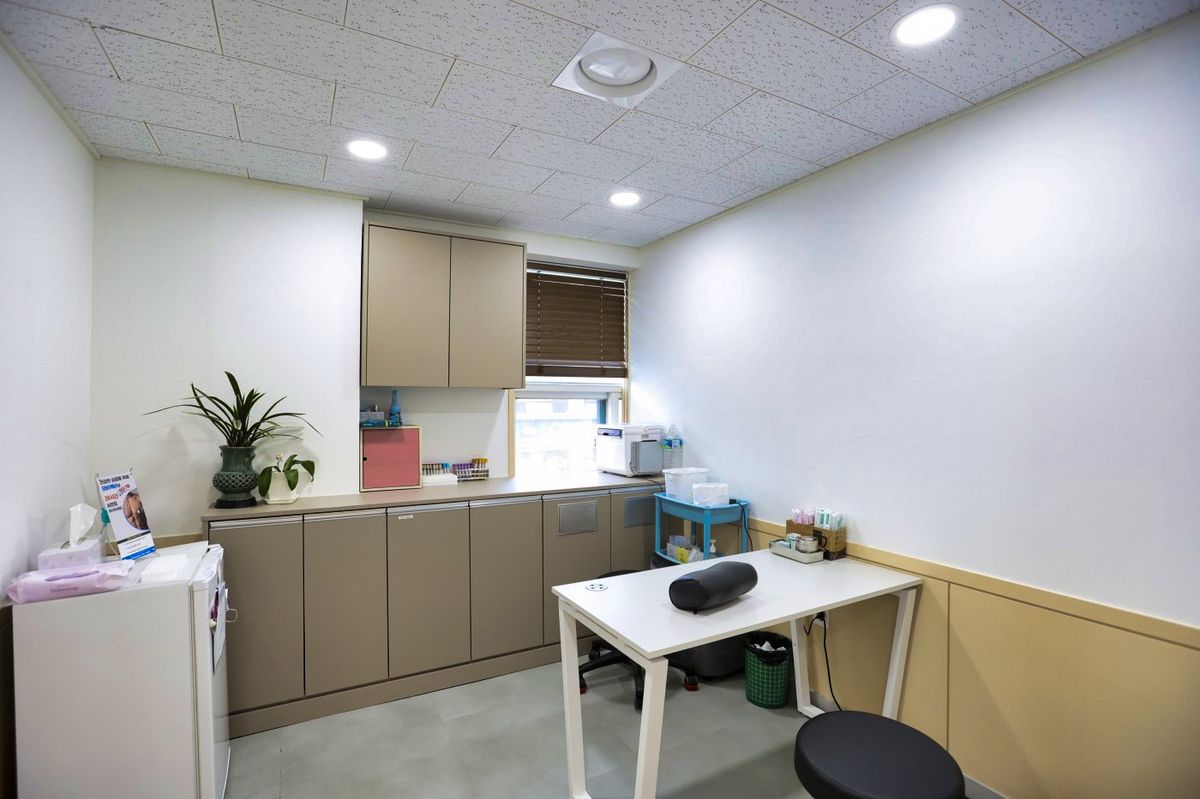
- Look at the urine test. Kidney damage often shows up first as protein (albumin) in the urine, before blood numbers change. I also check the urine protein and urine blood items on the report.
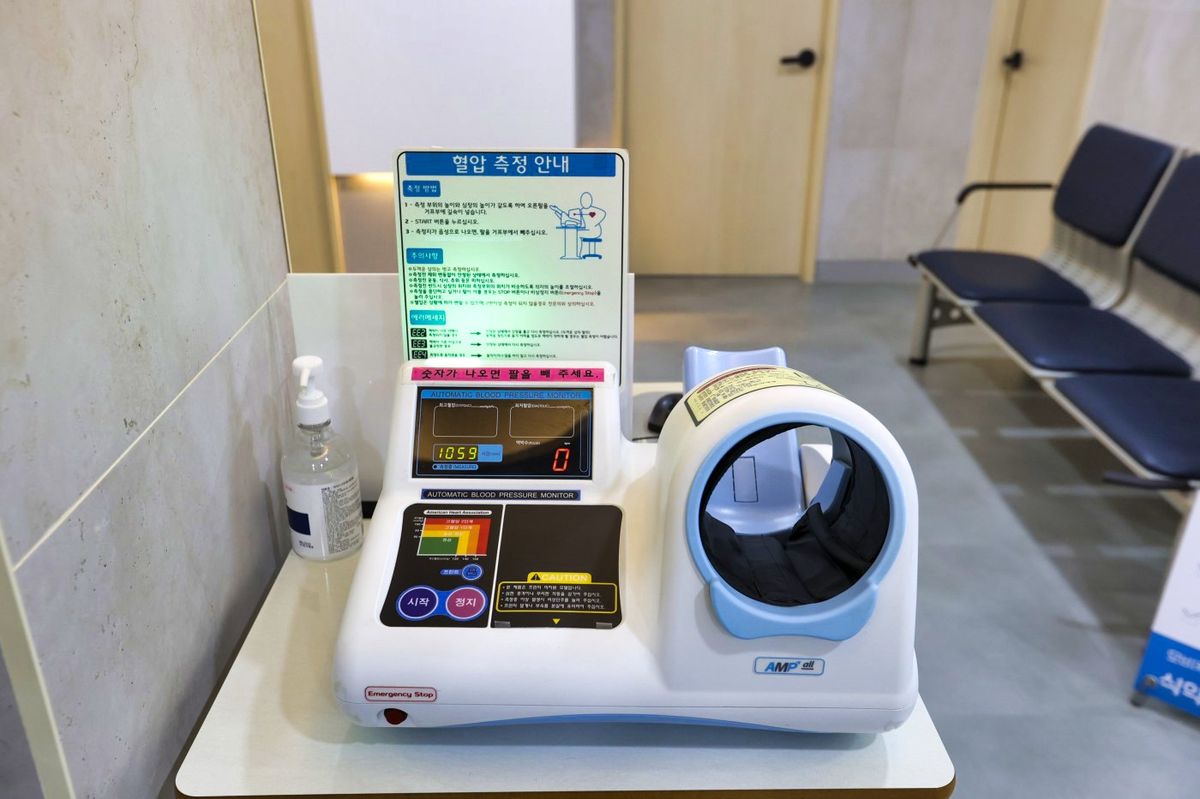
- Check blood pressure and blood sugar. High blood pressure and diabetes are the most common causes of chronic kidney disease. That is why we look at them whenever we talk about kidney numbers.
04How to read your eGFR
The table below shows the commonly used eGFR stages. In practice, though, the stage is not decided by eGFR alone — we also consider urine protein and the underlying cause.
| eGFR (mL/min/1.73㎡) | What it generally means |
|---|---|
| 90 or above | Filtering is in the normal range. We still check for other signs such as urine protein. |
| 60–89 | Mildly decreased. Common with age; if there are no other signs, we monitor. |
| 45–59 | Mildly to moderately decreased. We look for the cause and follow up regularly. |
| 30–44 | Moderately to severely decreased. |
| 15–29 | Severely decreased. We plan ahead for future treatment. |
| Below 15 | Kidney failure. Kidney replacement therapy such as dialysis is discussed. |
An eGFR in the 80s is not a reason to panic. A gradual decline with age can be a natural change. On the other hand, even with a normal number, ongoing protein in the urine may still need attention.
05Getting ready for a recheck
A recheck is usually done anywhere from a few weeks to three months later, depending on how far off the first result was and whether there are other signs. These simple steps help make the result more accurate.
- Avoid a large meat meal and intense exercise the day before the test.
- Drink water as usual — no need to drink extra or cut back.
- Bring a list or photos of your medicines, supplements and herbal remedies.
- If you take painkillers such as anti-inflammatory drugs often, be sure to mention it.
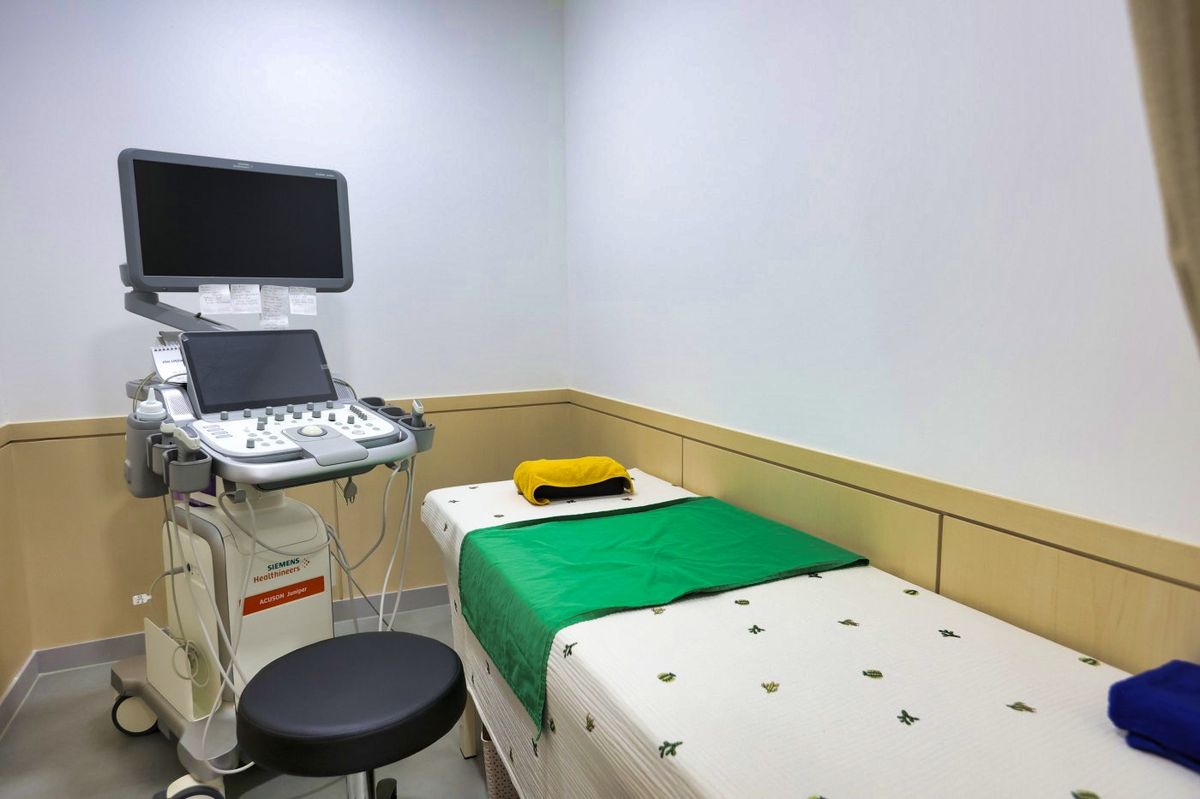
In the clinic we repeat the blood and urine tests and, if needed, measure the amount of albumin in the urine. When the size or shape of the kidneys needs to be checked, we also recommend an ultrasound.
06What you can do from today to protect your kidneys
Kidney function that has declined over a long period is often hard to recover. So the focus of care is keeping the function you have for as long as possible.
- Keep blood pressure and blood sugar within target ranges. This is the foundation of kidney care.
- Eat less salt. Salty food raises blood pressure and puts extra load on the kidneys.
- Use anti-inflammatory painkillers only when needed, and briefly. If you need them long term, talk to us first.
- Ask before taking health foods or herbal remedies whose ingredients are unclear.
- Quitting smoking and keeping a healthy weight also help.
People often ask whether drinking a lot of water will improve the numbers. If you were dehydrated, enough fluid helps — but forcing yourself to drink more will not restore kidney function. People whose kidney or heart function is significantly reduced may actually need to limit fluids, so it is best to decide on the amount together at your visit.
07Please don't wait to see a doctor if
- your eGFR is below 60
- your numbers changed a lot in a short time compared with your last test
- foamy urine persists, or a urine test showed protein or blood
- your face or legs are swollen and you are passing noticeably less urine
- your blood pressure stays higher than usual
In closing
Hearing that your kidney numbers were flagged is unsettling for anyone. But rather than drawing a conclusion from one number, comparing it with earlier results and looking at your urine, blood pressure and blood sugar together makes it much clearer what to do next.
At Shin Yun Soo Internal Medicine Clinic, we look after chronic conditions such as high blood pressure and diabetes, kidney disease and dialysis — all in one place. If you have received your report, please bring it along with your previous ones. We will look at the trend together and explain, step by step, what to check next.
Frequently asked questions
My eGFR is in the 80s. Do I have kidney disease?
That number alone does not mean kidney disease. If your eGFR is 60 or above and there are no other signs such as urine protein, we usually just monitor it. If it has dropped noticeably from before, or your urine test was abnormal, it is worth having it checked.
Only my creatinine is slightly high and everything else is fine. Do I need another test?
It is a good idea to check again, because muscle mass, meals, exercise and dehydration can raise it temporarily. We decide when to recheck based on the first result and your other test results.
Once kidney function drops, can it never recover?
A temporary drop with a clear cause, such as dehydration or a medicine, can improve once the cause is addressed. With chronic kidney disease, the goal is to protect the remaining function and slow progression. The first step is finding out which one it is.
Can I bring my report and get advice right away?
Yes. Just come in with your report during outpatient hours. Please bring earlier reports and a list of your medicines if you have them.
※ This article provides general health information and does not replace an individual diagnosis or treatment. What your test results mean and how they should be managed depend on your condition, so please consult a doctor.